

Maintaining a clean home is essential, but it doesn’t have to come at the expense of your health or the environment. Eco-friendly cleaning focuses on using safe, natural, and sustainable products and methods to keep your home spotless while reducing your ecological footprint. Here’s a detailed guide to safe and effective eco-friendly cleaning solutions for your home.
1. Use Natural Cleaning Ingredients
Many conventional cleaning products contain harsh chemicals that can harm your health and the environment. Eco-friendly cleaning relies on natural ingredients that are safe, effective, and inexpensive.
- Vinegar: Excellent for cutting grease, removing limescale, and disinfecting surfaces.
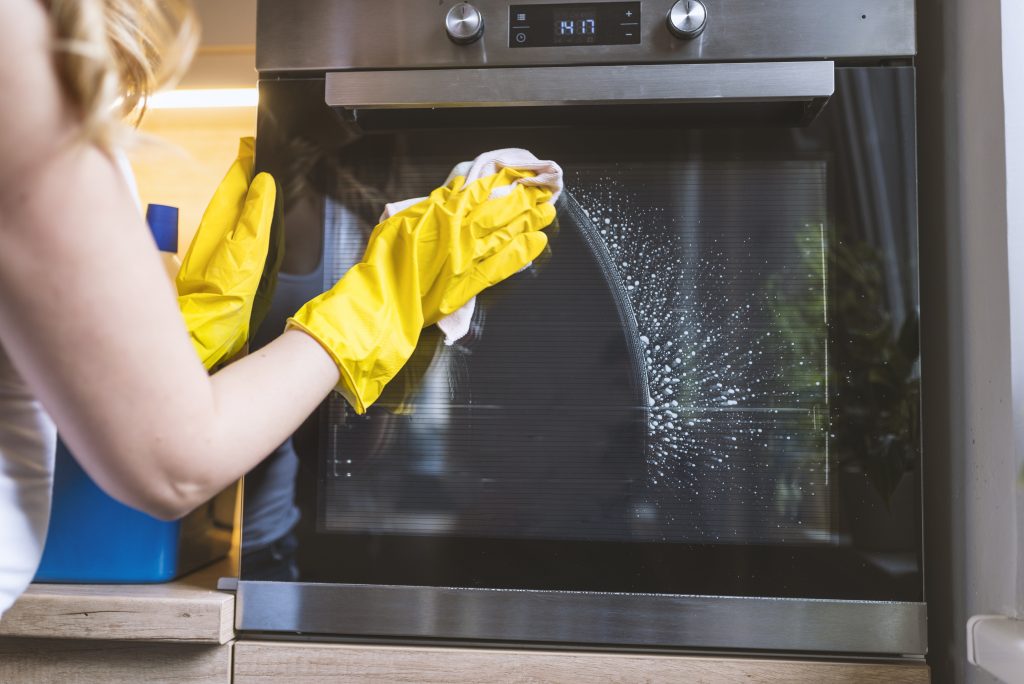
- Baking Soda: Ideal for scrubbing sinks, tubs, and ovens; also neutralizes odors.
- Lemon Juice: Naturally acidic, it removes stains, disinfects, and leaves a fresh scent.
- Castile Soap: A versatile, plant-based soap suitable for floors, dishes, and general cleaning.
2. Reduce Single-Use Products
Disposable wipes, paper towels, and plastic bottles create unnecessary waste. Switching to reusable options reduces environmental impact and can save money over time.
- Use microfiber cloths instead of paper towels for cleaning surfaces.
- Refill spray bottles with homemade cleaning solutions.
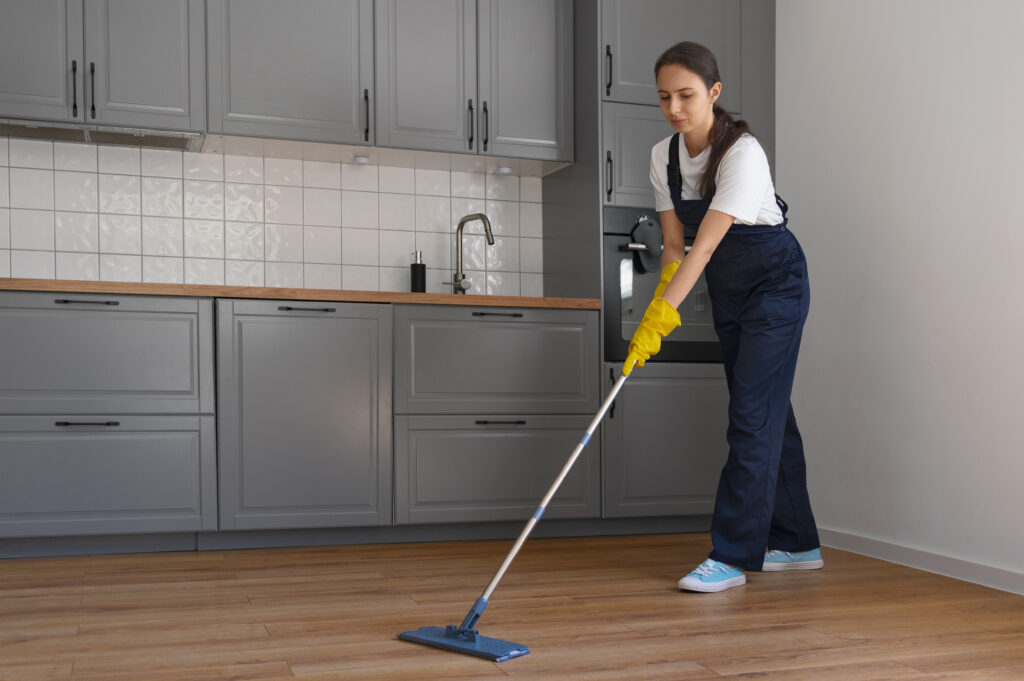
- Choose reusable mop pads and washable sponges.
3. Focus on Green Cleaning Methods
Eco-friendly cleaning isn’t just about products; it’s also about methods that reduce waste and energy usage.
- Steam Cleaning: Uses only water to sanitize floors and surfaces without chemicals.
- Cold Water Cleaning: Washing surfaces or laundry with cold water reduces energy consumption.
- Minimal Product Use: Apply small amounts of cleaning solutions to avoid unnecessary runoff into drains.
4. Prioritize Air Quality and Ventilation
Cleaning should enhance, not harm, your home’s environment. Eco-friendly practices help maintain indoor air quality.
- Open windows to improve ventilation while cleaning.
- Avoid aerosol sprays with harmful propellants; opt for pump sprays instead.
- Use natural air fresheners like essential oils, citrus peels, or baking soda.
5. Choose Eco-Friendly Cleaning Brands
If you prefer ready-made products, choose brands that prioritize sustainability, biodegradable ingredients, and cruelty-free testing. Look for certifications such as EU Ecolabel, EcoCert, or Green Seal.
- Use environmentally certified dishwashing liquids and laundry detergents.
- Select all-purpose cleaners free from phosphates, chlorine, and synthetic fragrances.
- Support companies that use recycled packaging and reduce plastic waste.
6. Incorporate Sustainable Habits into Daily Cleaning
Eco-friendly cleaning is most effective when integrated into your everyday routine. Small habits can have a big impact over time.
- Wipe spills immediately to reduce the need for harsh cleaners.
- Organize and declutter regularly to reduce unnecessary cleaning.
- Reuse greywater (e.g., leftover rinse water) for cleaning floors or watering plants, where safe.
Conclusion
Eco-friendly cleaning combines safety, effectiveness, and sustainability. By using natural ingredients, reducing waste, focusing on green methods, and supporting sustainable products, you can maintain a healthy, sparkling home while protecting the environment. Making these choices part of your routine not only benefits your household but also contributes to a greener, cleaner world.